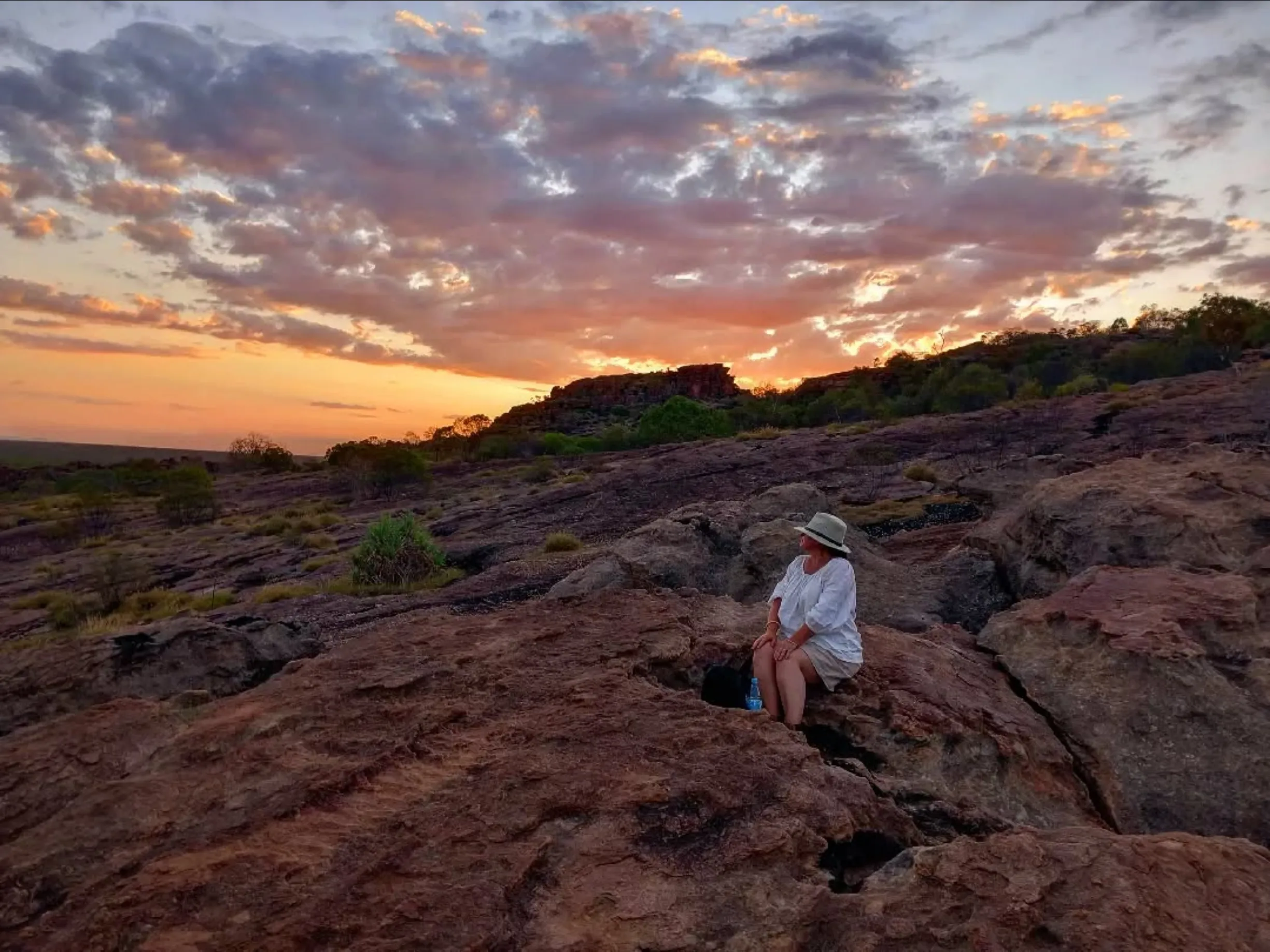
Kakadu National Park in the Northern Territory is not just a wilderness but a homeland for many. Spanning over 20,000 square kilometres of tidal flats, stone country and wetlands, Kakadu is where Aboriginal people, especially the Bininj and Mungguy, continue to live on their ancestral lands. But what kind of dwelling structures exist within this UNESCO World Heritage Site? And what is the nature of household composition, employment status, and usual residence here?
Let’s dive into the human story behind Kakadu’s rugged escarpments, wet season billabongs and dry season plunge pools.
Contents
Kakadu Is Home to Aboriginal Communities
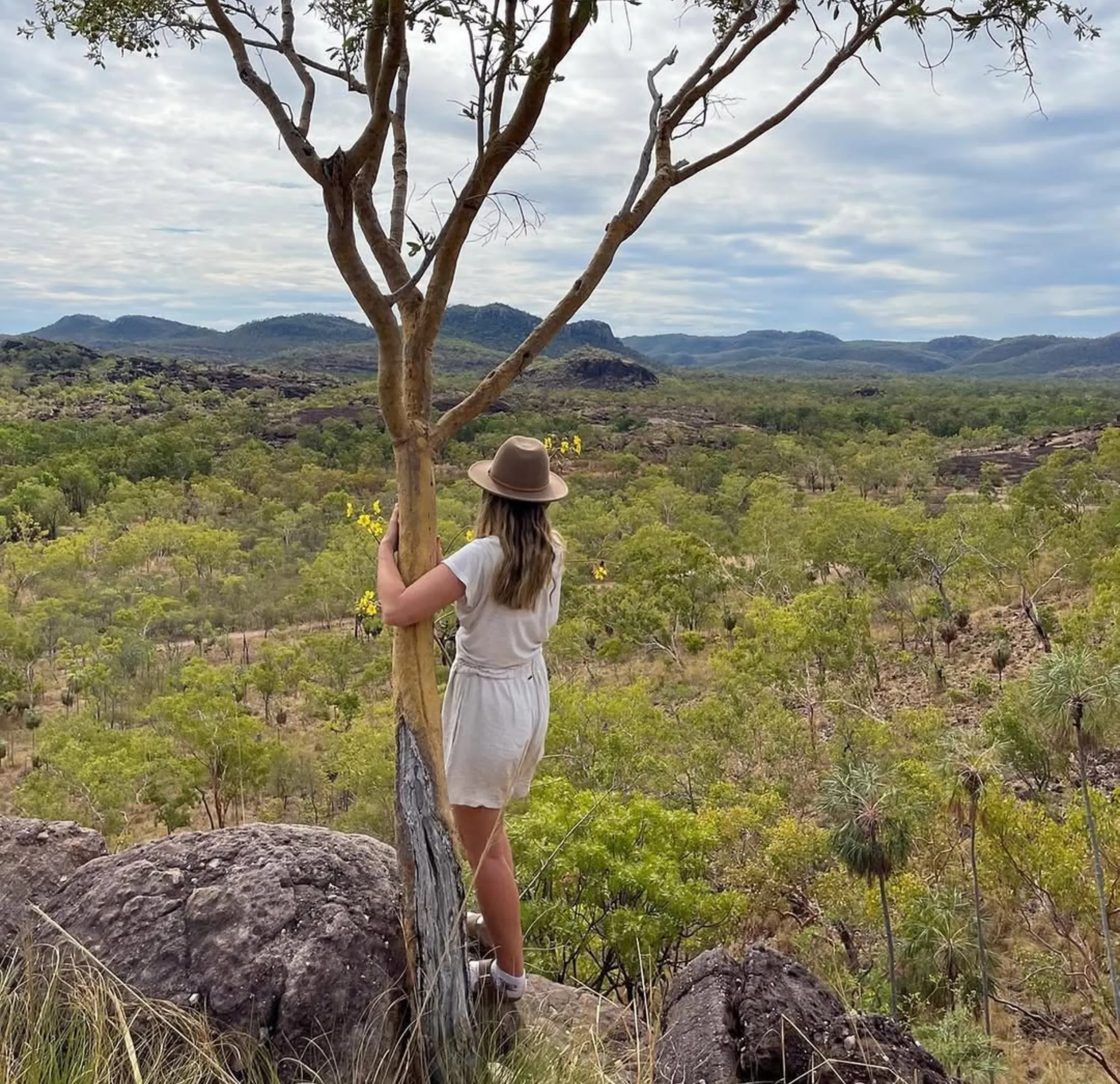
According to historical records and the archaeological record, Aboriginal peoples have been living in Kakadu for more than 65,000 years. Today, traditional owners are actively involved inthe joint management of the park through a Board of Management, reflecting a deep spiritual connection and cultural values rooted in the cultural significance of the land.
Many families live in remote private dwellings, following traditional dwelling characteristics, while also contributing to conservation, land care and cultural education. These residents are custodians of sacred sites, ceremonial sites, burial grounds and Aboriginal rock art sites like Nourlangie Rock, Ubirr and Anbangbang Billabong. If you’re planning a Darwin to Kakadu day trip, visiting these culturally rich sites with a local guide is highly recommended.
Living Culture in a Living Landscape
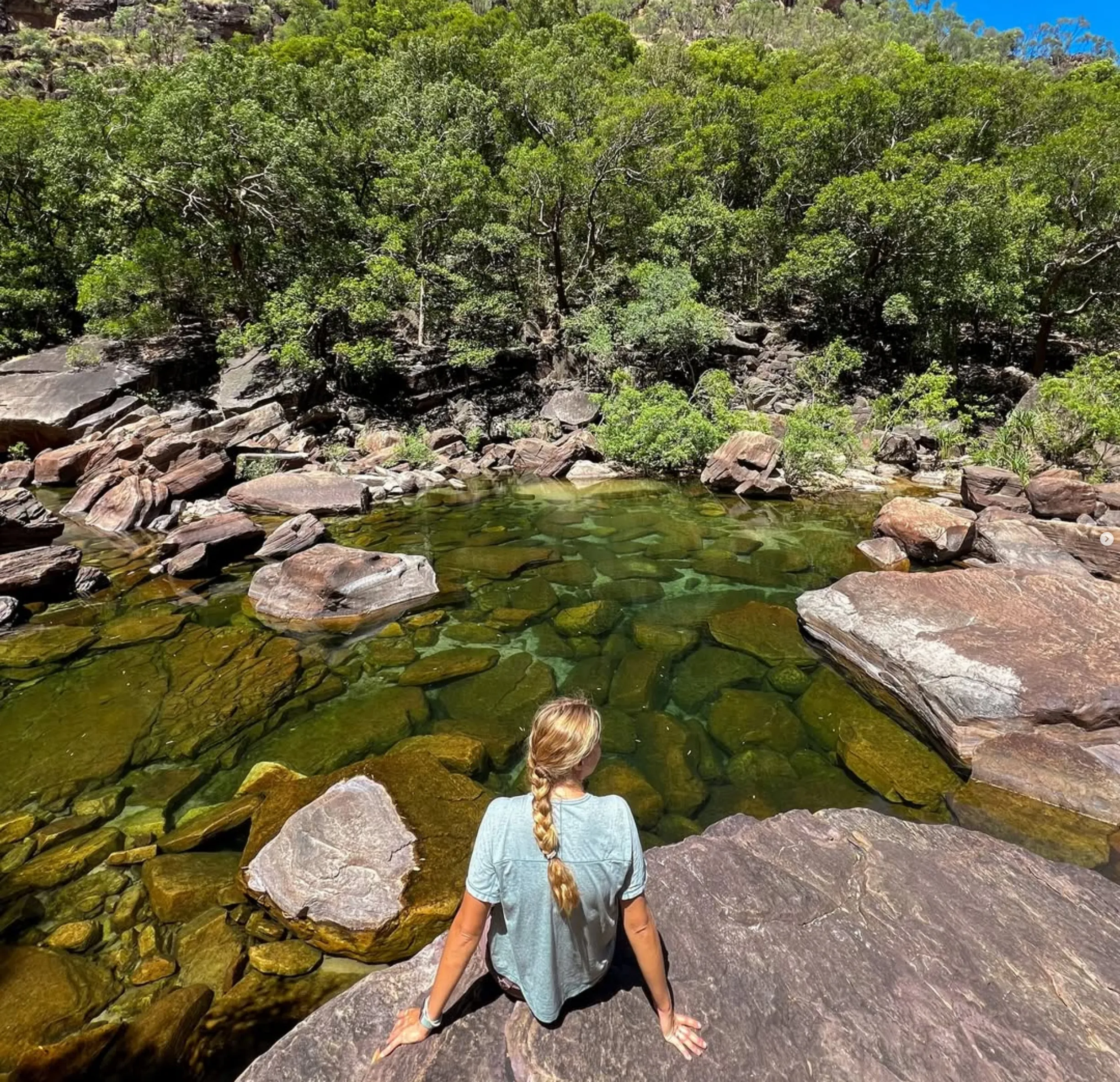
Kakadu is so much more than a protected park. It’s Aboriginal land where creation stories, elder stories, and Indigenous perspectives come alive. The Warradjan Cultural Centre and Bowali Visitor Centre give you a glimpse into the life of the people who call this land home. You can see how they live in the Country today.
Traditional fire management, seasonal hunting and fishing practices—like crocodile hunting at Barramundi Creek and Mary River—remain an integral part of life in the park. During the dry season, magpie geese are a vital food source. You’ll see Asian water buffalo, an invasive species, carefully managed to protect those endemic plants and native animals.
Many Kakadu tours weave these aspects of living culture into the experience. Visitors get the chance to learn directly from local communities.
Jabiru: A Town in Transition
Jabiru is the administrative and residential hub of Kakadu. Once driven by European settlement and mining development in the 20th century, it’s now shifting towards tourism, cultural education and sustainability. That’s where the real heart of the town lies.
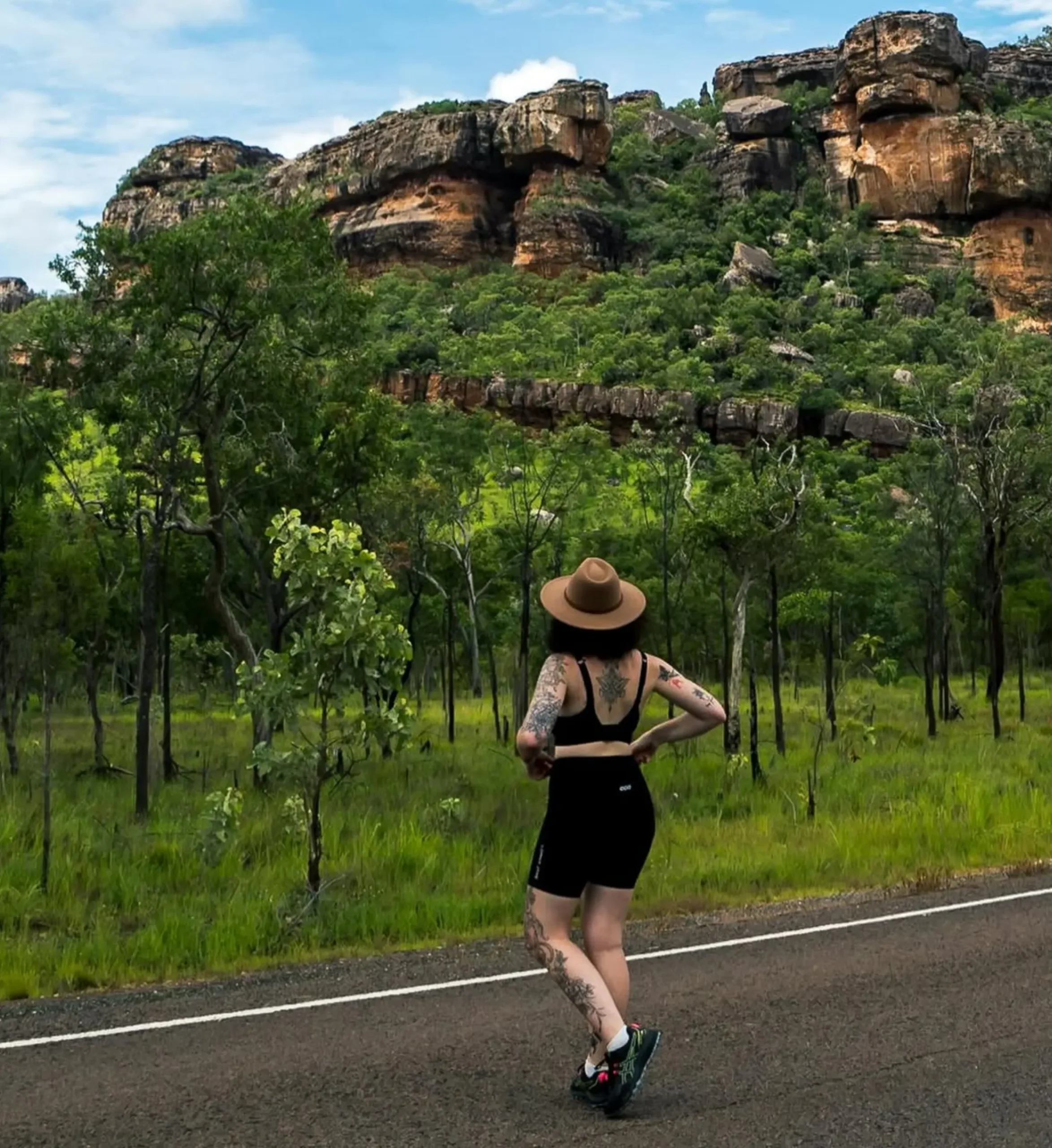
The Australian census collects data on mortgage repayments, marital status, country of birth and dwelling type. Jabiru is home to both non-Aboriginal people and Aboriginal residents. You’ll find health care, schooling and Centre staff supporting park operations there.
The town provides services to visitors heading to famous sites like Jim Jim Falls, Gunlom Falls, Yellow Water Billabong and Twin Falls. You can access those by a four-wheel-drive vehicle during the dry season. It’s a great place to overnight if you’re extending your Kakadu trip beyond a day.
Tourism and Community Connection
Tourism is that connection point between the Aboriginal majority living in the park and non-Aboriginal visitors from around the world. Scenic flights, guided tours and educational experiences often take in rock art sites, rock shelters and cultural centres where you can learn about Aboriginal rock painting and the Arnhem Land escarpment.
Many Kakadu tours from Darwin include cultural experiences led by traditional owners. These tours highlight the park’s rich biodiversity—including freshwater crocodiles, saltwater crocodiles, Black Wallaroos and Australian bird species.
If you’re planning a broader Top End adventure, consider booking with Autopia Tours. They’re known for their immersive and respectful itineraries through these iconic locations. Nearby destinations like Litchfield National Park, Nitmiluk National Park and Adelaide River offer stunning natural landscapes and Aboriginal cultural experiences.
Kakadu Beyond the Tourist Trail
Beyond the lookouts and waterfalls, Kakadu has many secrets. Sites like Koolpin Gorge, Barramundi Gorge and Pine Creek are full of Aboriginal land claims, Aboriginal rock sites and contact dating back to the 19th century and early European contact.
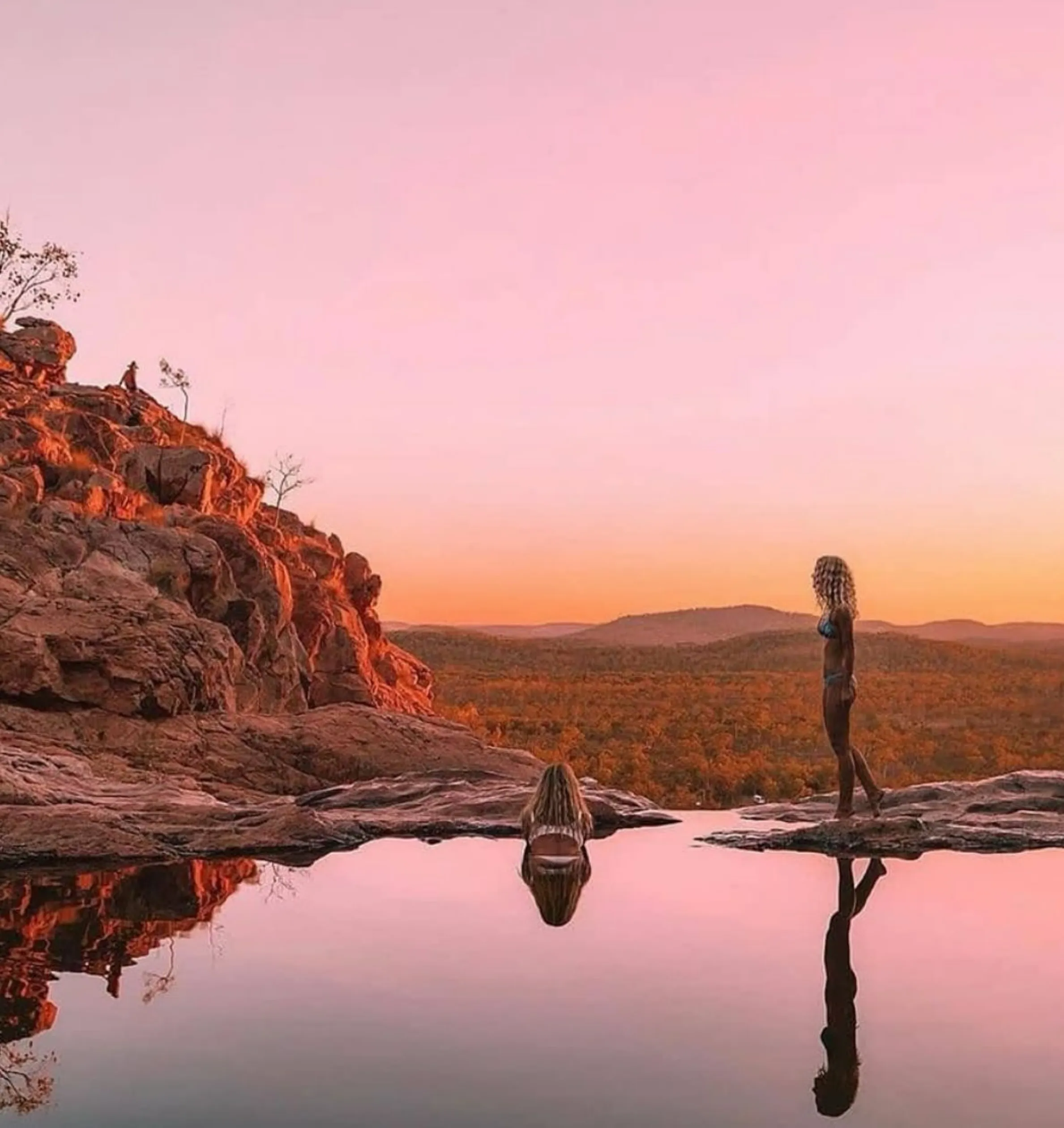
Even datasets like Dwelling tables, people per household, tenure type and registered motor vehicles tell us how Kakadu residents live and move across this big park. Whether tracking day communication technology in remote areas or assessing statements for mortgage qualifications, Kakadu’s human presence is as interesting as its biodiversity.
If you’re doing a Darwin to Kakadu day tour, consider staying on for a few extra days to visit these off-the-beaten-track destinations.
Conclusion
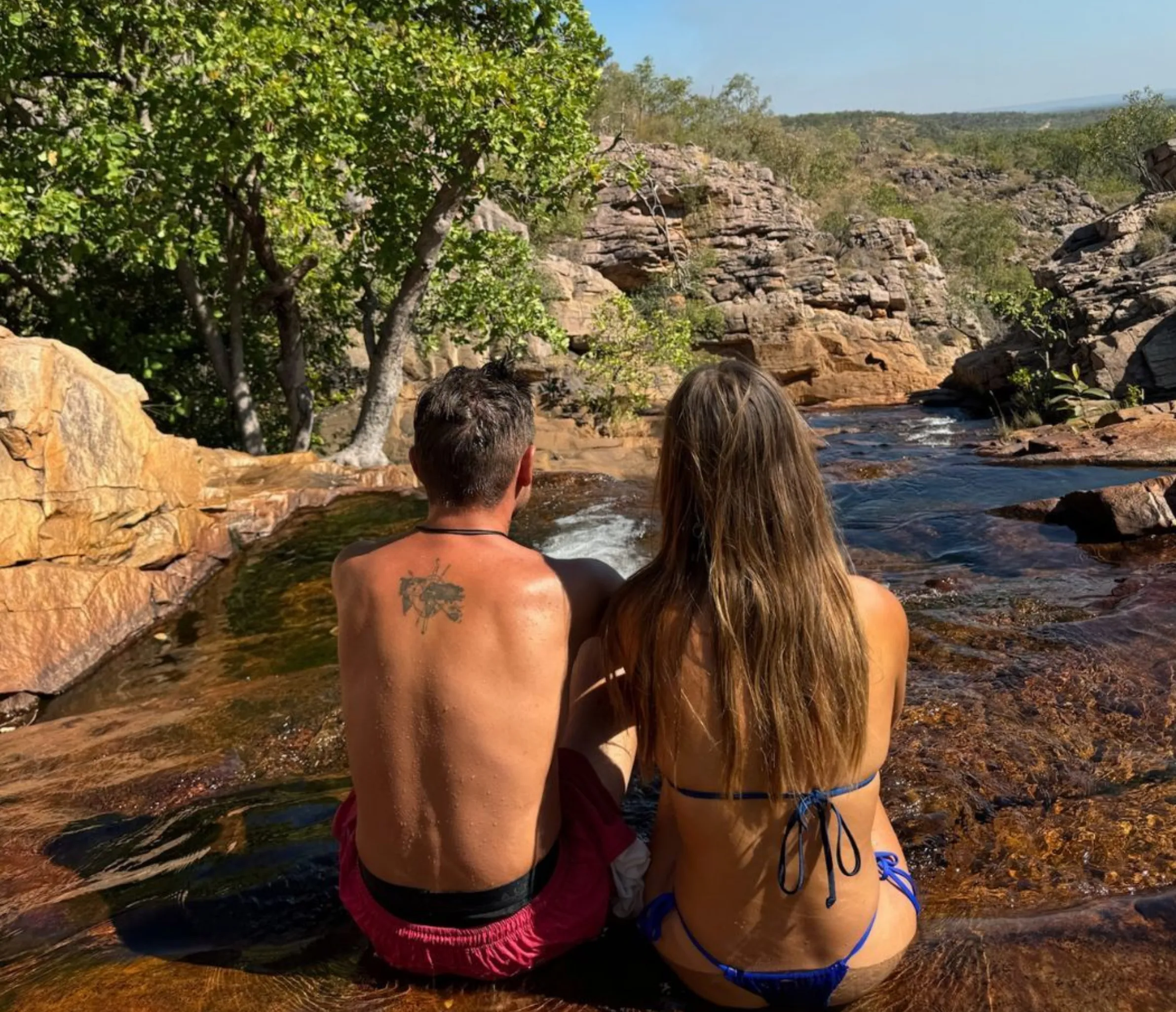
The park is home to generations of Aboriginal peoples who live, thrive and protect their cultural values and natural values. From private dwellings near Jabiru to remote outstations near Yellow Water, Kakadu is not just a beautiful destination but a place of human connection to land, history and future.
Whether you’re doing a quick Darwin to Kakadu day trip or a week-long Kakadu trip, you’ll find this living, breathing landscape is enriched by its communities, culture and stories.
FAQ
Do Aboriginal people still live in Kakadu?
Yes, many Aboriginal people, particularly the Bininj and Mungguy, live in communities and outstations across Kakadu, connected to ancestral lands.
What is Jabiru like as a town?
Jabiru is a modern town with schools, shops and accommodation. It’s also a hub for tourism, park management and community support staff.
How does tourism support Kakadu residents?
Tourism provides jobs and income and supports cultural centres like Warradjan Cultural Centre while educating visitors on cultural heritage, creation stories and local ecology.
Are there census statistics for Kakadu?
Yes, the Australian census has data on dwelling tables, people per household, statement for mortgage and more in Kakadu and Jabiru.
Can non-Aboriginal people live in Kakadu?
Yes, non-Aboriginal people live in Jabiru and work in hospitality, government and conservation with Aboriginal communities.